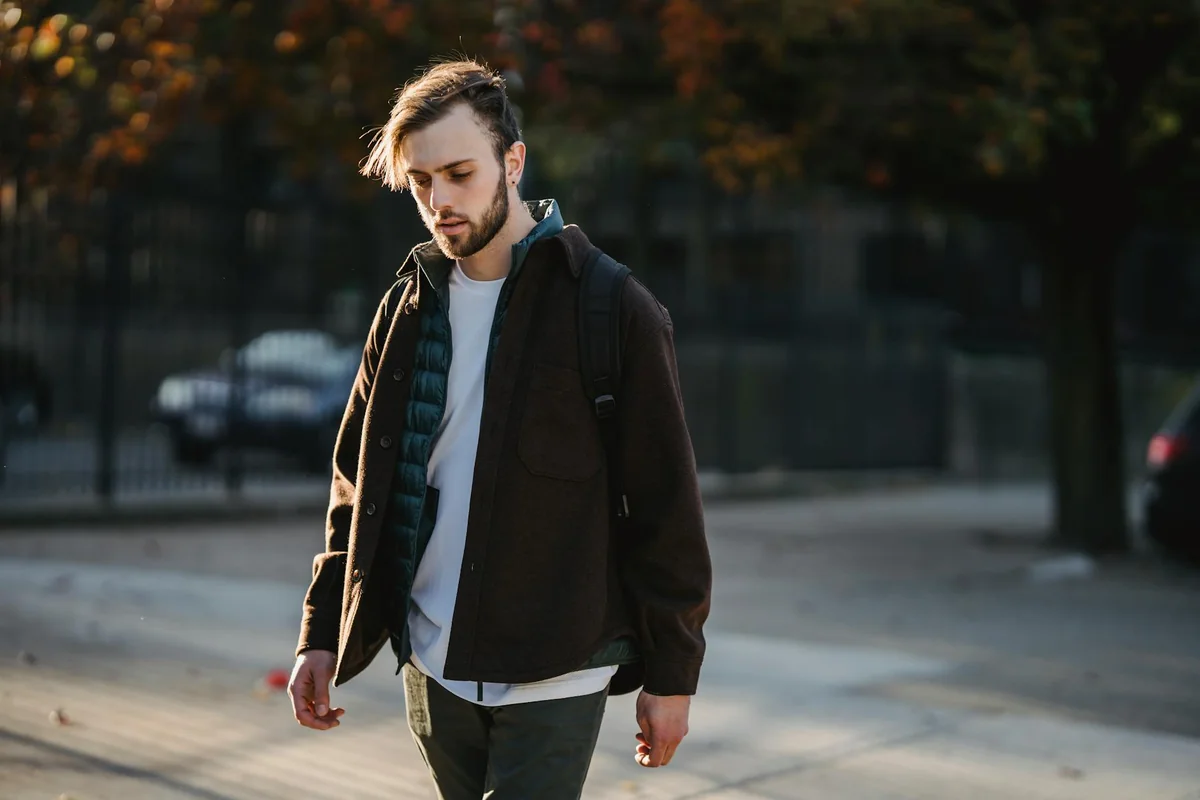
Spring Transition Outfits: Style Summer Clothes for Autumn

Spring rarely arrives politely—it shows up warm, then cools down, then brings a breeze that makes you question your entire outfit. That’s exactly why spring transition outfits matter. When the forecast swings between sunny afternoons and chilly evenings, the goal isn’t to “dress for every possibility,” it’s to build outfits that flex.
The good news: you can absolutely use what you already own. With a few styling upgrades, how to style summer clothes for autumn becomes a practical, stylish routine instead of a closet crisis. Think lightweight layers, smart fabrics, and accessories that adjust fast.
In this guide, you’ll get clear strategies, outfit formulas, and unpredictable weather clothing ideas you can repeat all season. And if you want help turning the day’s forecast into wearable suggestions, Weather Style syncs your planning with real-time meteorological data so you can choose layers before you head out.
Build a transseasonal fashion wardrobe that actually works

The best layering strategy for unpredictable weather is a wardrobe built around repeatable “layer roles.” In a transseasonal fashion wardrobe, each piece has a job: warm the core, block wind, add structure, or protect from sudden showers.
The 4-piece rule for transseasonal outfits
Start with a base you can wear comfortably in spring warmth, then add one or two pieces that carry you into autumn temperatures.
- Base (breathable): T-shirts, light knits, or soft woven tops.
- Core layer (temperature control): cardigan, thin sweater, or fitted long-sleeve.
- Weather layer (wind/rain): a trench, lightweight parka, or denim jacket with a liner.
- Finish (shape + weather-proofing): scarf, belt, or a hooded layer you can pull on quickly.
Choose fabrics that handle temperature swings
When mornings are cool and afternoons are warm, fabric choice is everything. Dermatology-level comfort comes from breathability and moisture management; style-level success comes from drape.
- Cotton and cotton blends: easy to layer, comfortable next to skin.
- Light knits: add warmth without bulk—ideal for evenings.
- Technical outerwear: if rain is likely, pick water-resistant finishes.
- Denim: structured and versatile, especially in “cool spring” weather.
If you’re building your layer plan for uncertain forecasts, you may also like Mastering the Layered Look: Pack for Unpredictable Weather for travel-ready packing logic you can use at home.
How to style summer clothes for autumn without buying everything
The simplest answer to how to style summer clothes for autumn is: keep the summer piece, change the silhouette, and add one “autumn job” layer. You don’t need a full wardrobe swap—you need a few styling moves that make summer items feel season-appropriate.
Turn a summer dress into an autumn-ready outfit
Use the dress as your base, then adjust warmth and coverage strategically.
- Add a fitted layer: wear a thin turtleneck-style top underneath (or a long-sleeve bodysuit).
- Choose the right outer layer: trench coats, cropped blazers, or a structured cardigan.
- Switch footwear: ankle boots or supportive sneakers instead of sandals.
- Bring in texture: add a scarf or a knit wrap for instant fall energy.
Styling tip: If your dress is very lightweight, consider adding a subtle underskirt slip or tights for coverage and comfort during cooler evenings.
Upgrade summer tops and shorts for chilly evenings
Shorts can work in autumn if you style them like a layering piece.
- Shorts + long layer: pair with a lightweight overshirt or a tunic-length cardigan.
- Shorts + tights: opaque tights instantly shift shorts into cooler-weather styling.
- Breathable long sleeves: swap to a sheer or lightweight long-sleeve layer under a summer tee.
For more outfit formulas, browse From Day to Night: Easy Transition Outfits for Changing Weather—it’s built around the same “add/remove layers” principle.
Unpredictable weather clothing ideas: layer by forecast, not by guessing
The best unpredictable weather clothing ideas follow a simple logic: plan for the most likely comfort problem first—cool wind, mid-day warmth, or sudden rain—then build the outfit around that.
Pick your “weather priority” in 10 seconds
Before you get dressed, check the forecast focus (temperature range, wind, and precipitation). Then choose which issue to solve:
- If mornings are cold: add warmth to your torso (cardigan, thin sweater, or light blazer).
- If afternoons are warm: keep the base breathable and choose layers you can remove.
- If wind is strong: prioritize a wind-resistant outer layer and slightly longer hems.
- If showers are possible: choose water-resistant outerwear and shoes with grip.
What to wear when the temperature swings 10–15°C (or more)
For big swings, aim for “modular warmth.” A good modular outfit lets you remove one layer without ruining the look.
Example outfit formula for spring-to-autumn swings:
- Base: short-sleeve tee or lightweight blouse
- Mid layer: thin cardigan or fitted knit
- Outer: trench or light parka
- Bottom: straight-leg trousers or midi skirt
- Shoes: sneakers or ankle boots
- Accessory: scarf (optional but powerful)
When you’re unsure what to choose, Weather Style can help you match layers to the day’s real conditions—so you’re not standing at your closet guessing whether you’ll need the jacket at 6 pm.
Spring transition outfits: repeatable outfit formulas for real life
The key to spring transition outfits is choosing combos you can wear multiple times with small changes. Below are four practical formulas that work whether you’re commuting, running errands, or meeting friends.
Formula 1: Summer tee + autumn structure
- Top: summer graphic tee or plain cotton tee
- Layer: cropped cardigan or denim jacket
- Bottom: trousers, midi skirt, or knee-length skirt
- Finisher: belt or structured tote
- Shoes: clean sneakers or ankle boots
Best for: breezy days where you’ll likely warm up midday.
Formula 2: Wrap dress + tights + a trench
- Dress: breathable summer wrap or slip dress
- Under layer: tights or a long-sleeve base top
- Outer layer: trench coat or long cardigan
- Accessories: scarf and small crossbody bag
Best for: dinners, casual dates, and evenings when the air cools quickly.
Formula 3: Linen shirt + knit layer + jeans
- Top: linen button-down (summer staple)
- Mid layer: lightweight crewneck knit
- Bottom: mid-wash or dark jeans
- Weather finish: hooded jacket if showers pop up
Best for: days that start warm and end cooler, especially with wind.
Formula 4: Shorts + oversized shirt (with a warm underlayer)
- Bottom: tailored shorts (not too long, not too micro)
- Top: lightweight oversized shirt
- Underlayer: fitted long-sleeve or thin turtleneck
- Shoes: supportive sneakers or boots
Best for: transitional days when you still want a summer vibe but need warmth at night.
Accessories and footwear for unpredictable weather
The right accessories make unpredictable weather clothing ideas feel intentional—not improvised. In spring-to-autumn transitions, your feet and your “hands-free warmth” matter most.
Footwear rules for shifting conditions
Choose shoes that can handle damp streets and occasional chills. If rain is part of the plan, prioritize traction and coverage.
- For light rain: leather/synthetic sneakers with grip
- For cooler evenings: ankle boots or low-heel boots
- For wet days: water-resistant or rain boots with socks you love
For deeper ideas, see Weather-Ready Footwear & Accessories: Smart Style Picks.
Accessories that “solve” weather quickly
- Scarf: add warmth to your neck without changing your whole outfit.
- Light gloves: compact and perfect for early mornings.
- Small umbrella: carry it in your bag if showers are intermittent.
- Hats: a cap for sun, a beanie for wind—choose based on temperature.
Style tip: Keep your accessories neutral (black, navy, tan, cream) so they work with both summer colors and autumn layering tones.
What to pack for transseasonal fashion wardrobe success
If you’re building a transseasonal fashion wardrobe for the season (or packing for a weekend), the trick is to pack fewer items that layer well together.
A smart packing mini-checklist
- One breathable base: tee or blouse
- One warmth layer: cardigan or thin sweater
- One weather shield: trench, parka, or rain-resistant jacket
- One “flex” bottom: jeans or a midi skirt
- One shoe option: sneakers/boots (choose based on forecast)
- One accessory: scarf (or compact umbrella)
This packing approach aligns with the same logic as Mastering the Layered Look: Pack for Unpredictable Weather—you’re not packing more, you’re packing smarter.
Quick Q&A: common spring-to-autumn styling questions
Can I wear summer clothes in autumn?
Yes—especially lightweight items like tees, linen shirts, and summer dresses. The shift is about layering and coverage. Add a warmer core layer (cardigan/knit) and choose a weather shield if wind or rain is expected.
What’s the easiest way to transition shorts for cooler days?
Make shorts part of a layered outfit: add tights or a long undershirt, then anchor the look with a structured top or overshirt. This keeps your outfit comfortable while still feeling current.
How do I style summer colors when autumn gets darker?
Keep the colors, but change the finishing pieces. Pair bright summer tops with darker neutrals (navy, charcoal, deep green) and add texture through knits, denim, or a trench coat.
Conclusion: your spring transition outfits, now simplified
Spring transition outfits work when you treat dressing as a system: base layer for comfort, mid layer for warmth, and an outer layer for wind or rain. That’s the easiest path to how to style summer clothes for autumn—without buying a whole new wardrobe.
Remember these takeaways for unpredictable weather clothing ideas:
- Build a transseasonal fashion wardrobe with repeatable layer roles.
- Choose modular warmth so you can remove layers without changing your look.
- Anchor outfits with footwear and accessories that handle damp streets and cooler evenings.
Before you leave home, check the forecast and plan your layers. If you want faster, forecast-matched outfit suggestions, Weather Style can help you turn real-time weather into outfit decisions you can actually wear.
Note: Weather can vary by region, so always adapt based on your local conditions and comfort preferences.